India's agricultural sector, the backbone of its economy, faces increasing challenges from climate change and unpredictable weather patterns. In 2026, the need for timely and accurate weather alerts for farmers India is more critical than ever to safeguard livelihoods and ensure food security. The India Meteorological Department (IMD) plays a pivotal role in this, providing comprehensive agrometeorological advisory services designed to empower farmers with essential information.
The Imperative for Timely Weather Information in Indian Agriculture
What is the nature of the challenge? Indian agriculture is highly susceptible to climatic variability, ranging from erratic monsoons to unexpected heatwaves and unseasonal rains. This unpredictability can lead to significant crop damage and economic losses for farmers across the nation.
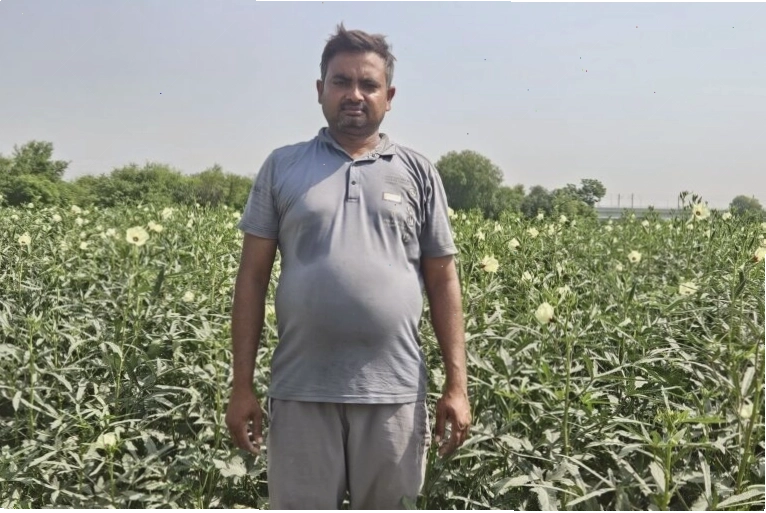
Why is this occurring? The primary drivers are global warming and localized climate shifts, which intensify the frequency and severity of extreme weather events. Farmers like Ram Nivas on the Yamuna floodplains highlight the daily urgency, stating, “It’s better to sell the produce at the earliest possible, given the unpredictable weather. I don’t know when it might start raining.” This sentiment underscores the profound impact of weather on agricultural decisions.
How are solutions being implemented? Recognizing this critical need, the Ministry of Earth Sciences and the Ministry of Agriculture & Farmers Welfare have established robust systems. These systems deliver targeted agricultural weather India forecasts and warnings, enabling farmers to make proactive decisions regarding sowing, irrigation, harvesting, and pest control.
The success of these programs is crucial for enhancing resilience against climatic shocks.
Gramin Krishi Mausam Sewa Providing Comprehensive Advisories
What does the GKMS scheme offer? The Gramin Krishi Mausam Sewa (GKMS) scheme, an operational Agrometeorological Advisory Service (AAS) run by the IMD, is specifically designed for the benefit of India's farming community. This comprehensive program generates medium-range weather forecasts at both district and block levels, tailored to local needs.
Why is this structure effective? The decentralized approach ensures hyper-local relevance. A network of 130 Agromet Field Units (AMFUs), located at State Agricultural Universities and ICAR/IIT institutes, alongside 199 District Agromet Units (DAMUs) at Krishi Vigyan Kendras (KVKs), prepares these specialized farming advisories India. These advisories are communicated to farmers every Tuesday and Friday, aligning with typical agricultural planning cycles.
How does it empower farmers? AAS is a significant step towards weather-based crop and livestock management strategies. It directly supports farmers in making day-to-day operational decisions, from when to sow seeds to applying fertilizers or harvesting. This initiative aims to enhance crop production and food security while simultaneously reducing damage and loss due to unusual weather patterns.
Beyond regular forecasts, AMFUs and DAMUs also prepare Impact Based Forecasts (IBFs) for agriculture, specifically designed to address severe weather warnings across various states and union territories. weather india is a critical resource for understanding these broader meteorological trends.
Multi-Channel Dissemination of Weather Alerts and Advisories
What are the various dissemination channels? The effective delivery of weather information to farmers relies on a multichannel dissemination system. This includes traditional methods like print and electronic media, Door Darshan (national television), and radio, alongside modern digital platforms.
Why is a multi-channel approach essential? Addressing barriers in weather information accessibility and varied digital literacy among farmers, a diverse approach ensures that critical alerts reach the widest possible audience. The goal is to overcome issues such as low adoption of weather forecast apps and a perceived lack of hyperlocal updates.
How do farmers receive these alerts?
- SMS Alerts: IMD issues SMS-based alerts and warnings for extreme weather events, coupled with suitable remedial measures. These are crucial for farmers to undertake timely operations. These alerts are also shared with State Departments of Agriculture for effective calamity management.
- Mobile Applications: Farmers can access detailed weather information and district-specific agrometeorological advisories through mobile apps. 'Meghdoot', launched by the Ministry of Earth Sciences, and 'Kisan Suvidha', launched by the Ministry of Agriculture & Farmers Welfare, are key examples. These apps provide localized forecasts, often within a 50-kilometer radius.
- Kisan Portal and PPP Mode: SMS services are also facilitated through the Kisan Portal and private companies under Public Private Partnership (PPP) mode, ensuring broad reach.
- Social Media: WhatsApp groups have emerged as a significant tool for quicker dissemination. Currently, farmers in 1,19,554 villages across 3,598 Blocks are covered through 16,140 WhatsApp groups, which also include State Agriculture Department officials at district and block levels.
Continuous efforts are underway to expand the coverage and reach more farmers and villages, ensuring that crucial crop weather India information is readily available.
Improving Forecast Accuracy and Farmer Engagement
What improvements are being observed in forecasting? The accuracy of weather forecasts is continuously improving, thanks to advancements in meteorological science and technology. This enhanced precision allows for more reliable farming advisories India, leading to better decision-making by farmers.
Why is accuracy and engagement important? Accurate forecasts minimize false alarms and ensure that farmers trust the information they receive, leading to higher adoption rates of advisories. Simultaneously, efforts to offer counseling in regional languages, based on technical weather information, help bridge the communication gap and make complex data more accessible and actionable for farmers.
How can farmers benefit more? Increased engagement through interactive platforms and regional language support empowers farmers not only to receive alerts but also to understand the underlying technical information. This deeper understanding fosters better preparedness and adaptability to changing climatic conditions, ultimately preventing losses.
The dedication to providing precise and user-friendly weather information highlights the government's commitment to supporting the agricultural community. You can learn more about these initiatives and other related programs on our about us page.
Ensuring Agricultural Sustainability with Smart Weather Solutions
India's commitment to providing comprehensive weather alerts for farmers India is a cornerstone of modern agricultural sustainability. By leveraging schemes like GKMS and platforms such as Meghdoot, Kisan Suvidha, and WhatsApp, farmers are increasingly equipped to navigate the complexities of unpredictable weather.
The integration of localized forecasts, impact-based warnings, and multi-channel dissemination ensures that critical information reaches the grassroots level efficiently. As temperatures continue to warm and weather patterns remain volatile, these proactive measures are indispensable for protecting crops, livestock, and the livelihoods of millions. Embrace these advanced agricultural weather India services to foster resilience and secure a prosperous future for Indian agriculture.